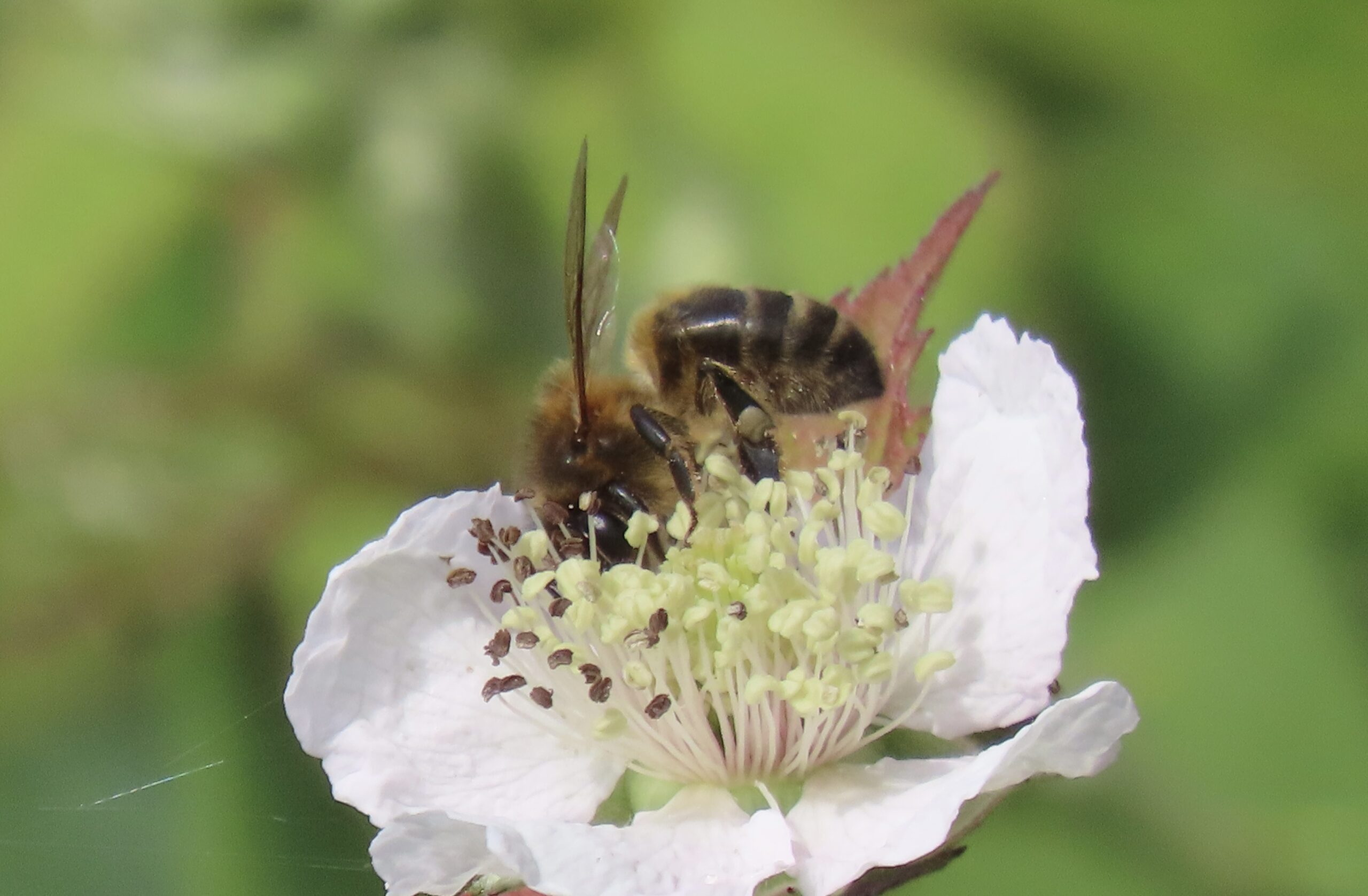
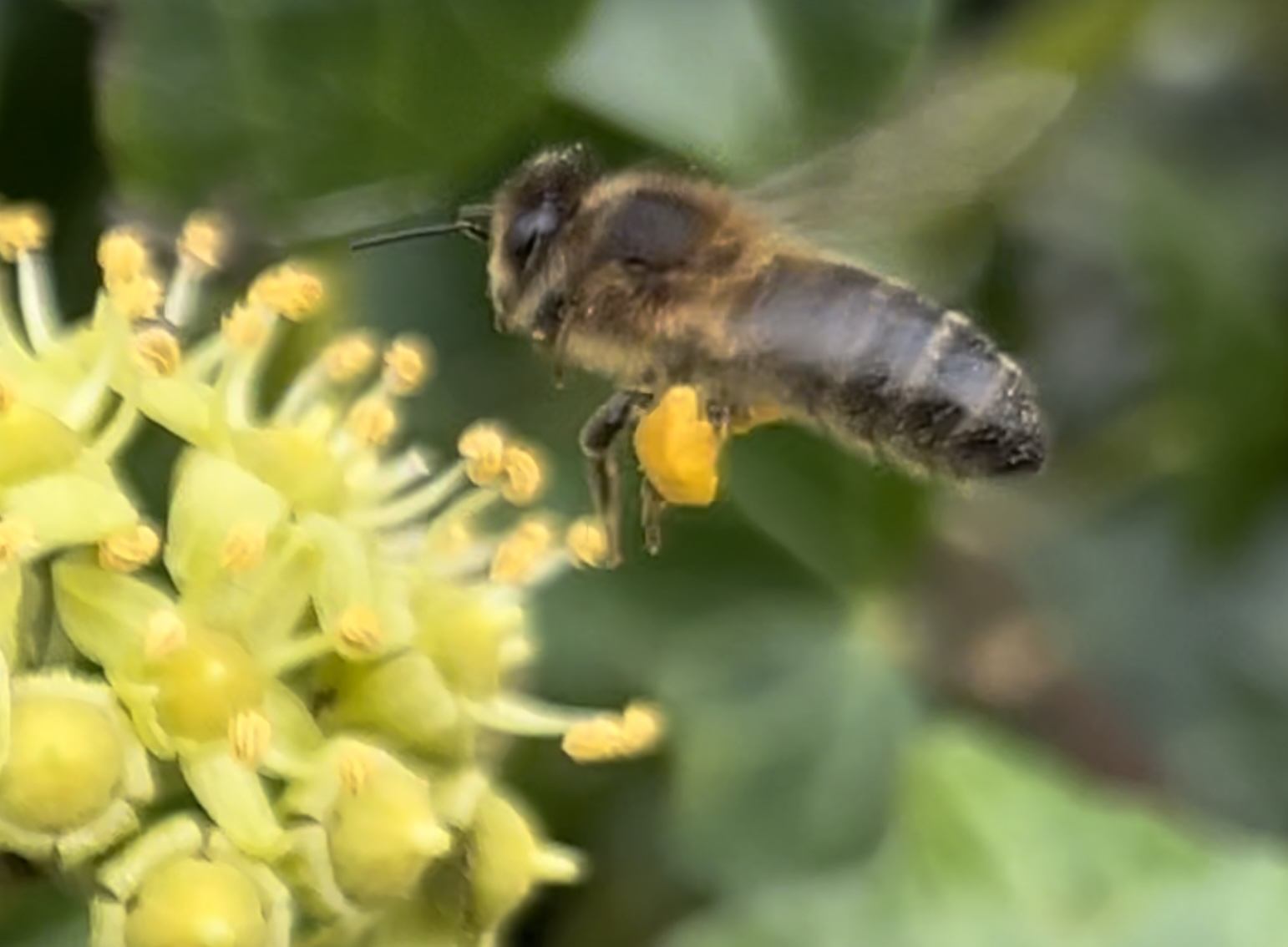
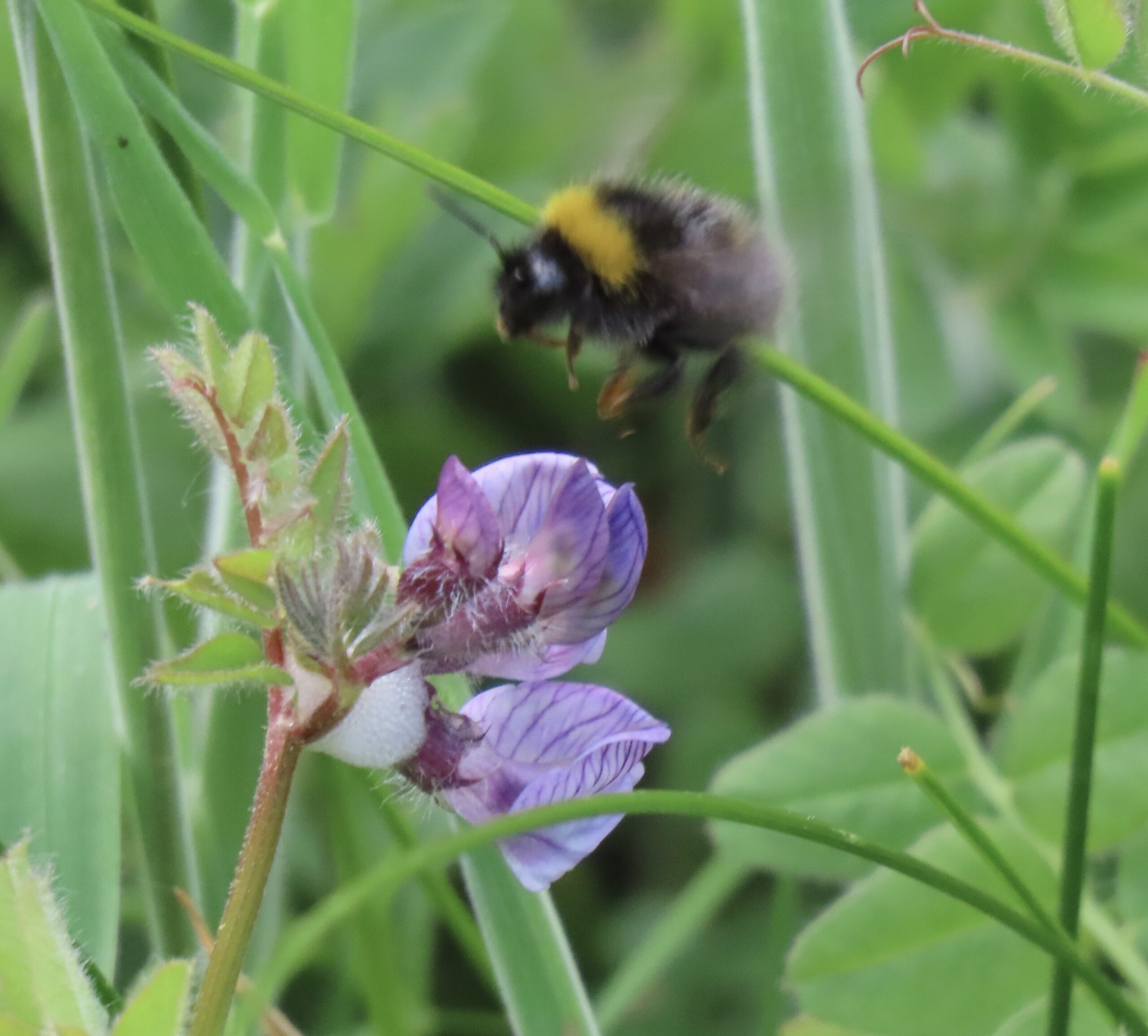
NádúrNua is fully committed to the conservation of bees, in particular Native Honey Bees. Several native Irish trees are beneficial for bees due to their pollen and nectar production. These include willow, hazel, hawthorn, blackthorn, rowan, wild cherry, crab apple and Scots pine.
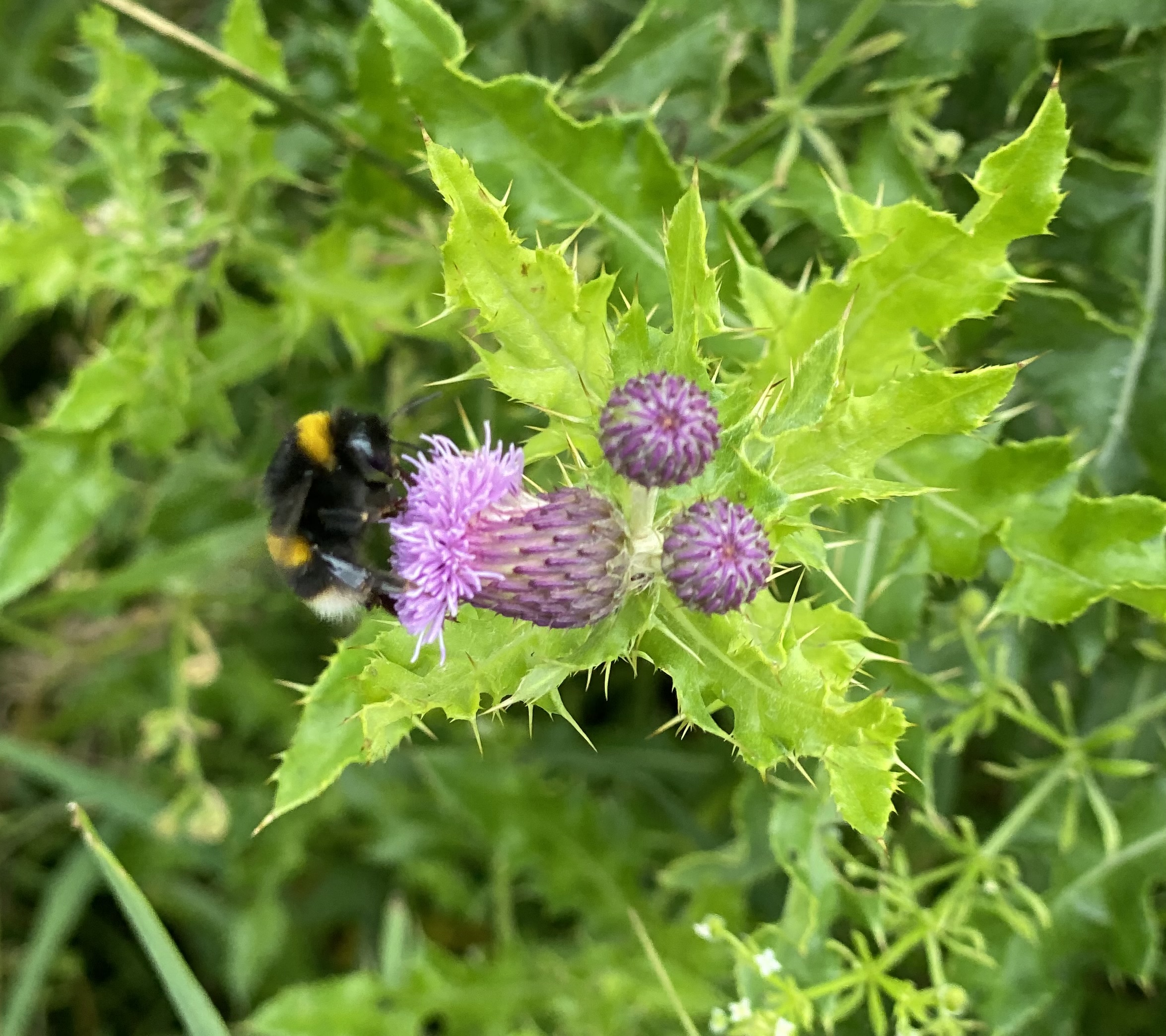
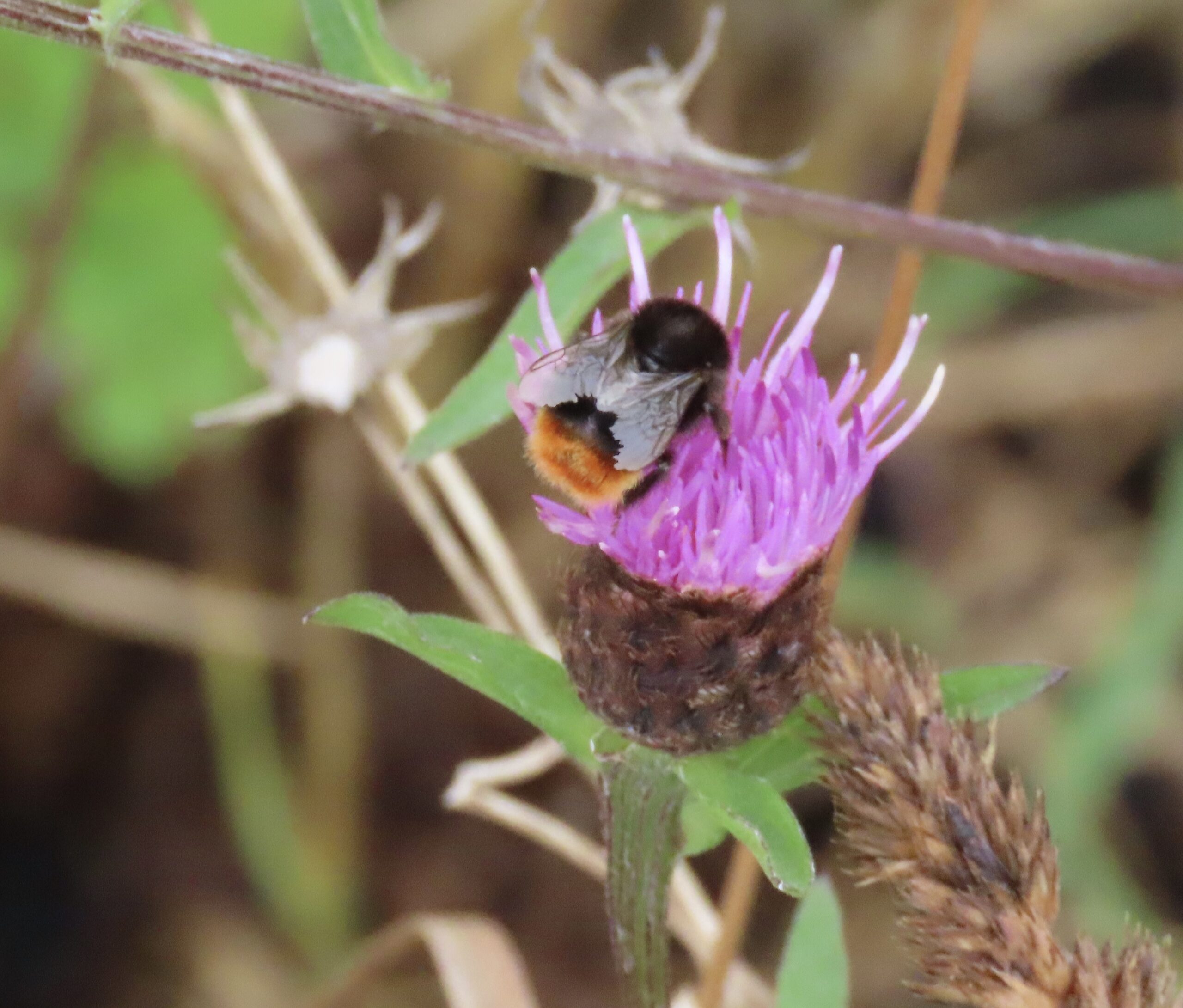
Willows are particularly important in early spring, providing essential food for bees, especially bumblebees emerging from hibernation, when other sources are scarce. Hazel is one of the first trees to produce catkins in spring, offering a valuable pollen source for bees. Crab apple trees offer late spring nectar and pollen, providing a valuable food source for bees.
Bees are crucial for several reasons, including their vital role in pollination, which is essential for plant reproduction and food production. They also contribute to biodiversity by supporting various ecosystems and providing valuable products like honey and beeswax.
NádúrNua supports the Native Irish Honey Bee Society by having all of its woodlands as Conservation Areas, where there is an agreement not to have hives or colonies of non-native honey bees.
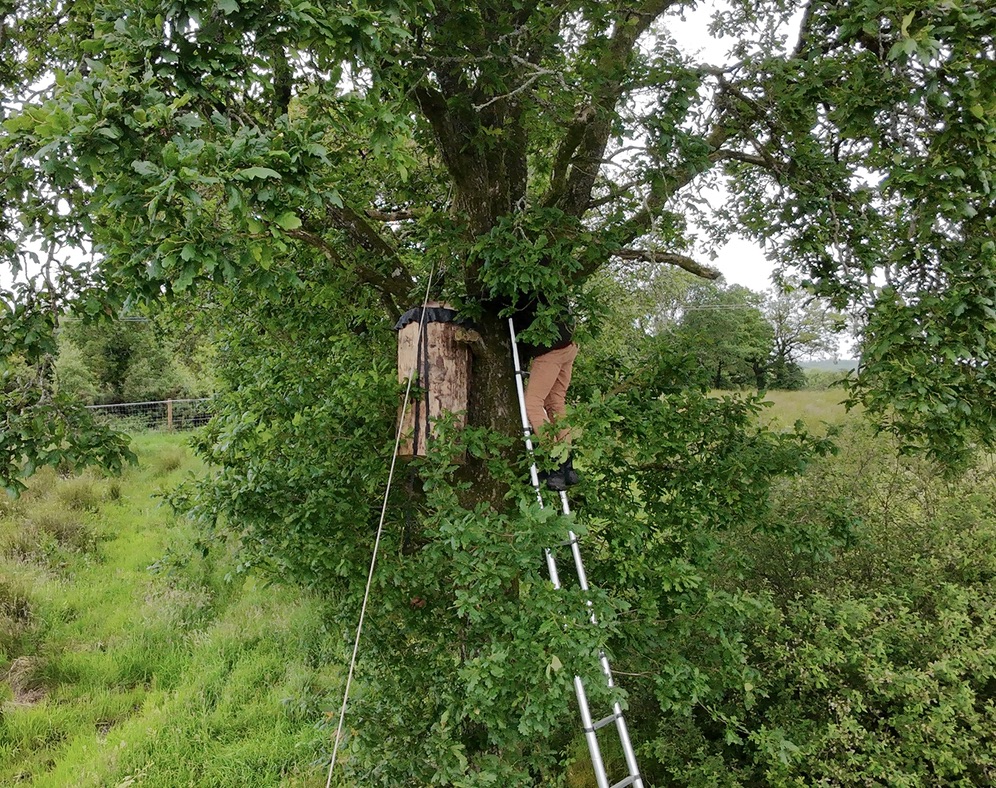
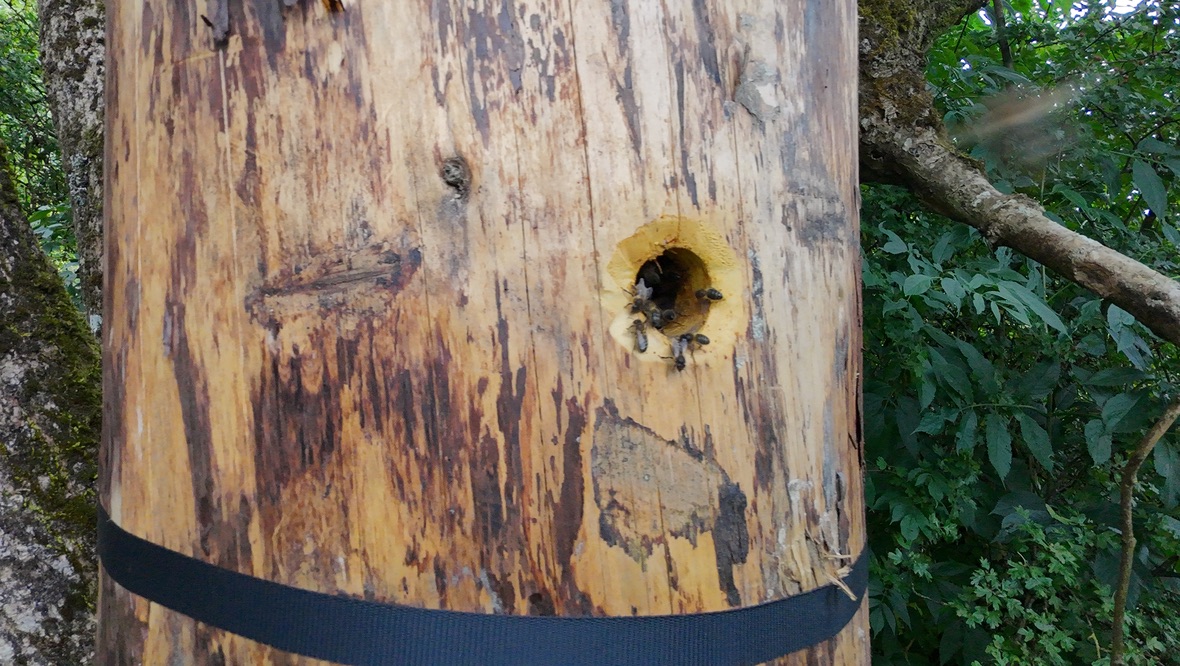
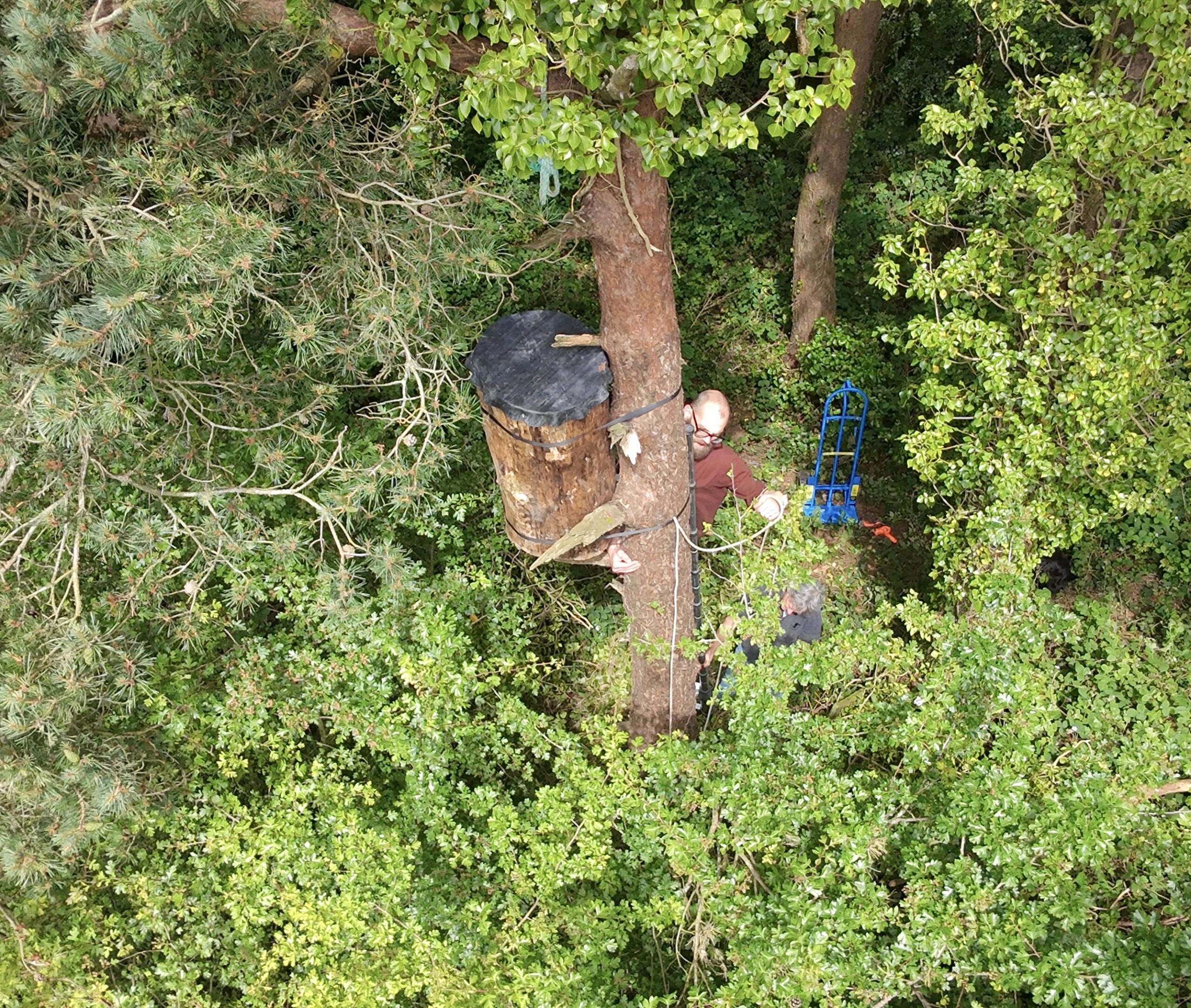
We installed four native honey bee loghives in Cooldine, Aghaweenagh, Curraheen and Kilrush in June 2026. These loghives were created by Boomtreebees in County Donegal. Boomtreebees’ mission is to help with the conservation of the Native Irish honey bee and the rewilding of them in the Irish landscape. The loghives mimic the natural nest site of wild honeybees.
All of the loghives are occupied and we plan to install four more on different woodlands in June 2027.
By using this website, you agree to our use of cookies. We use cookies to provide you with a great experience and to help our website run effectively.