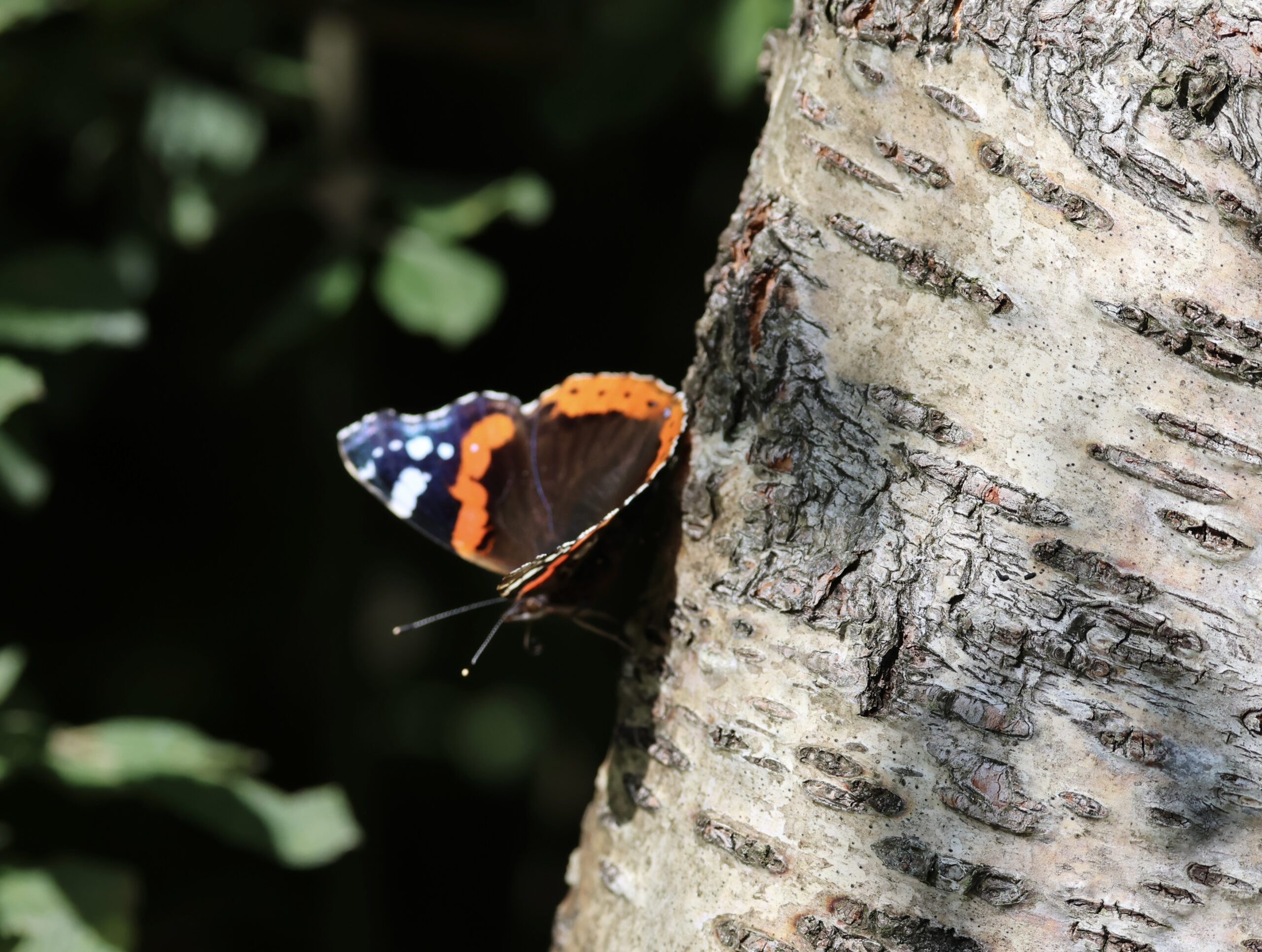
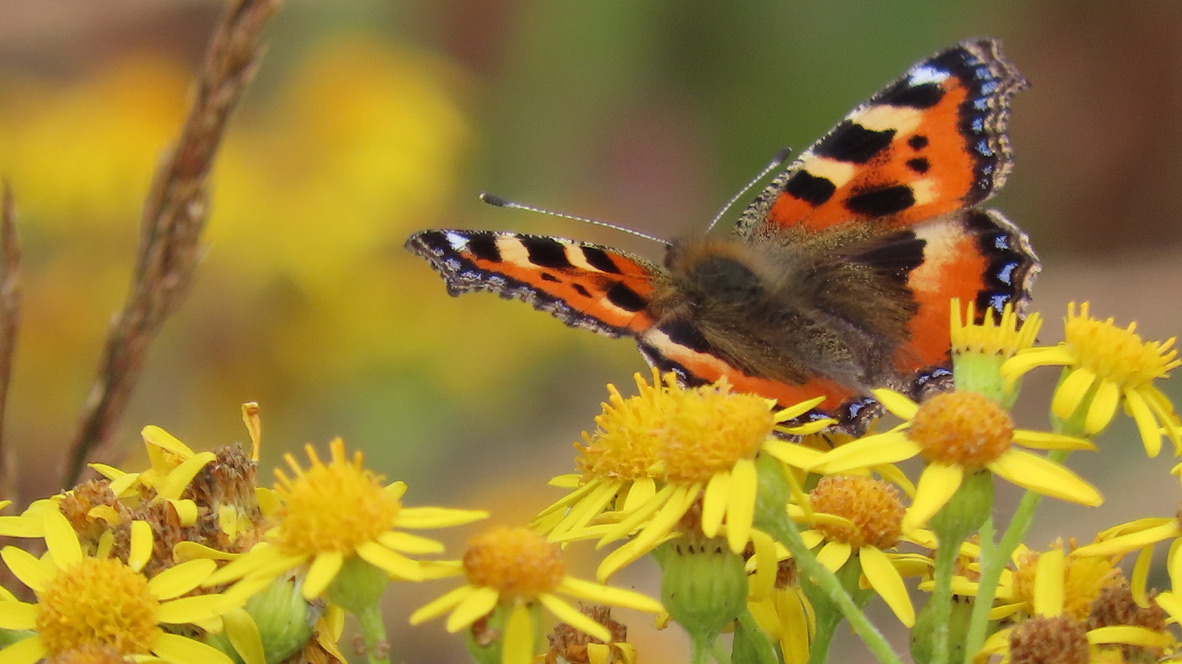
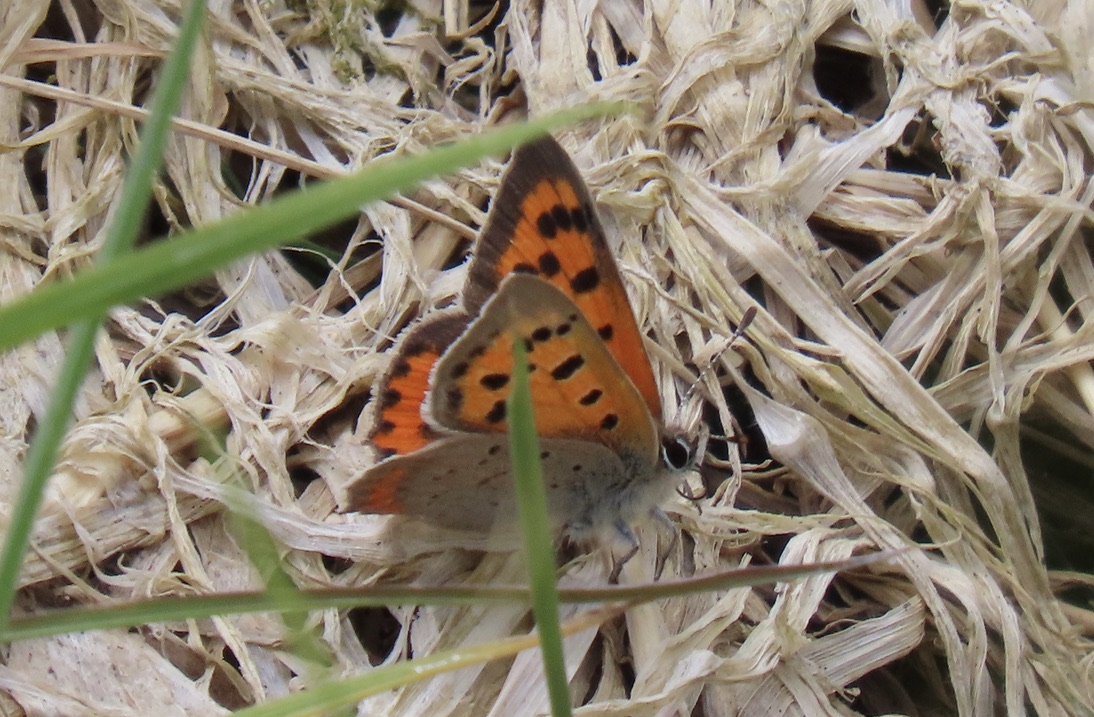
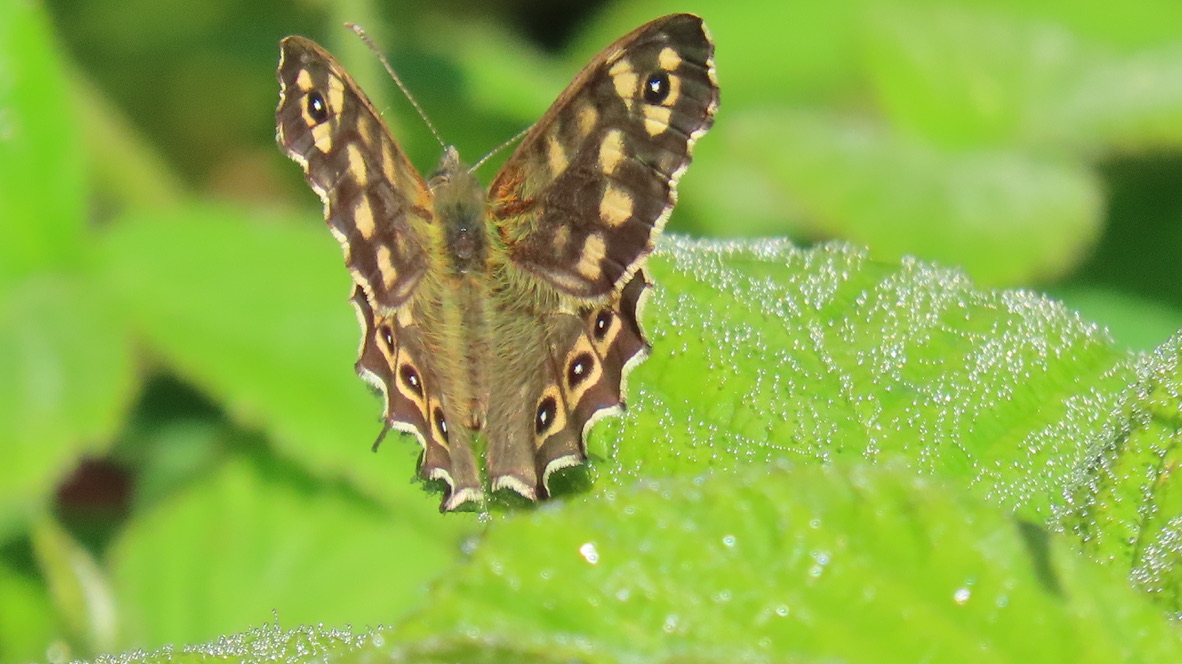
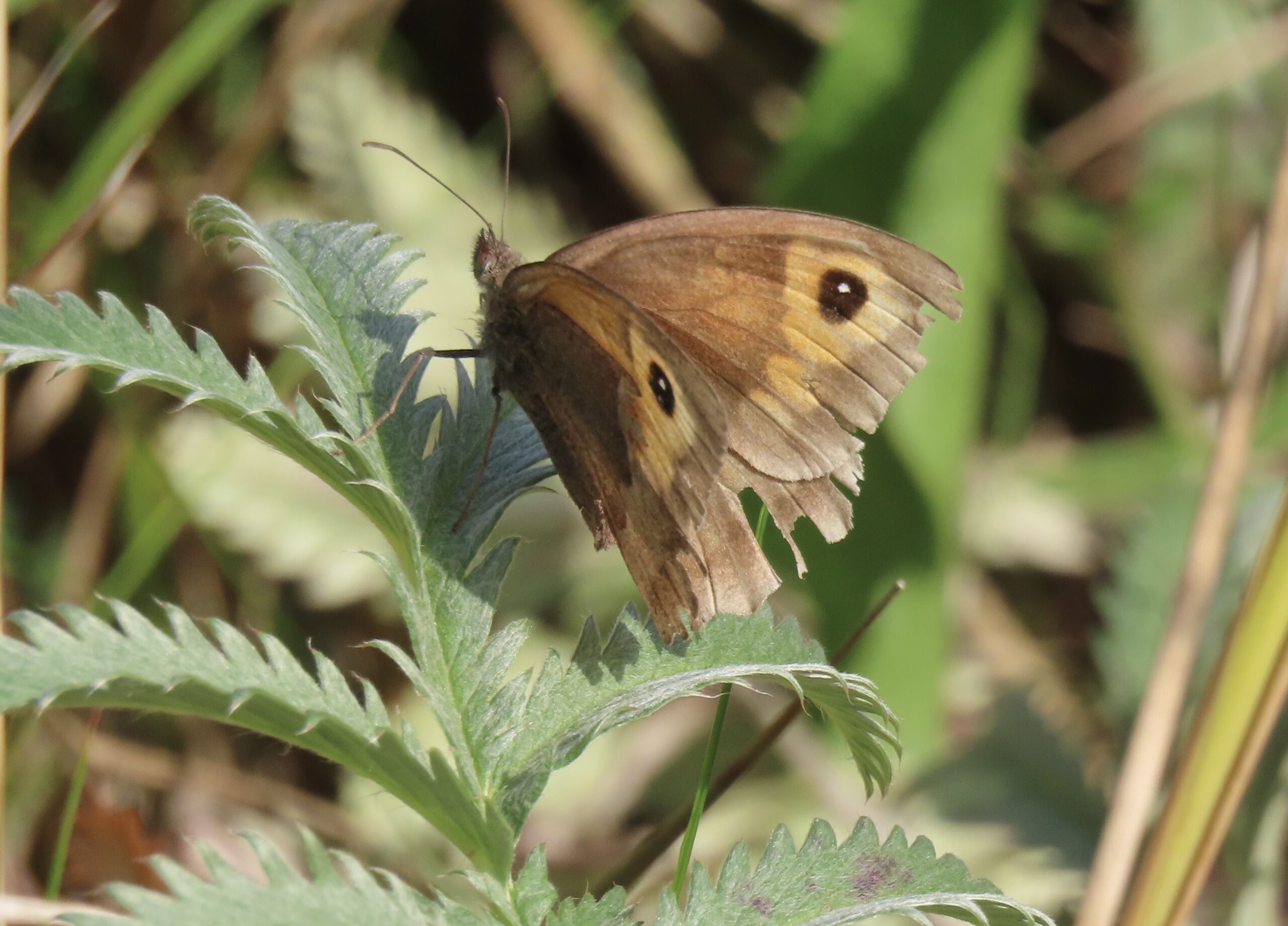
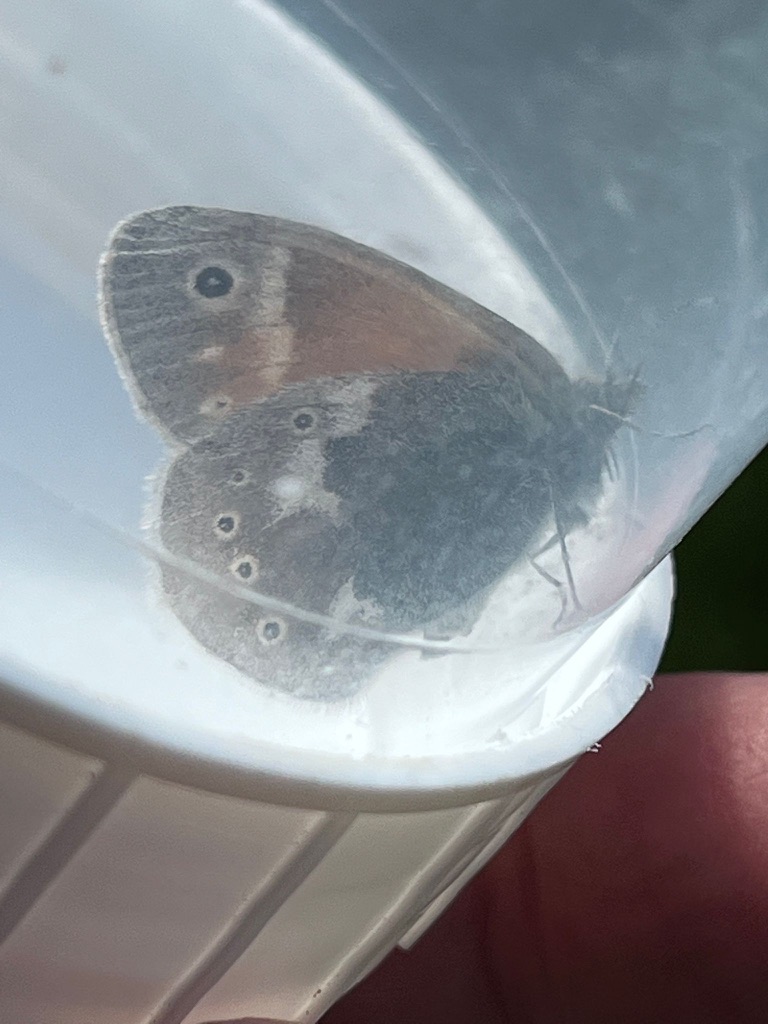
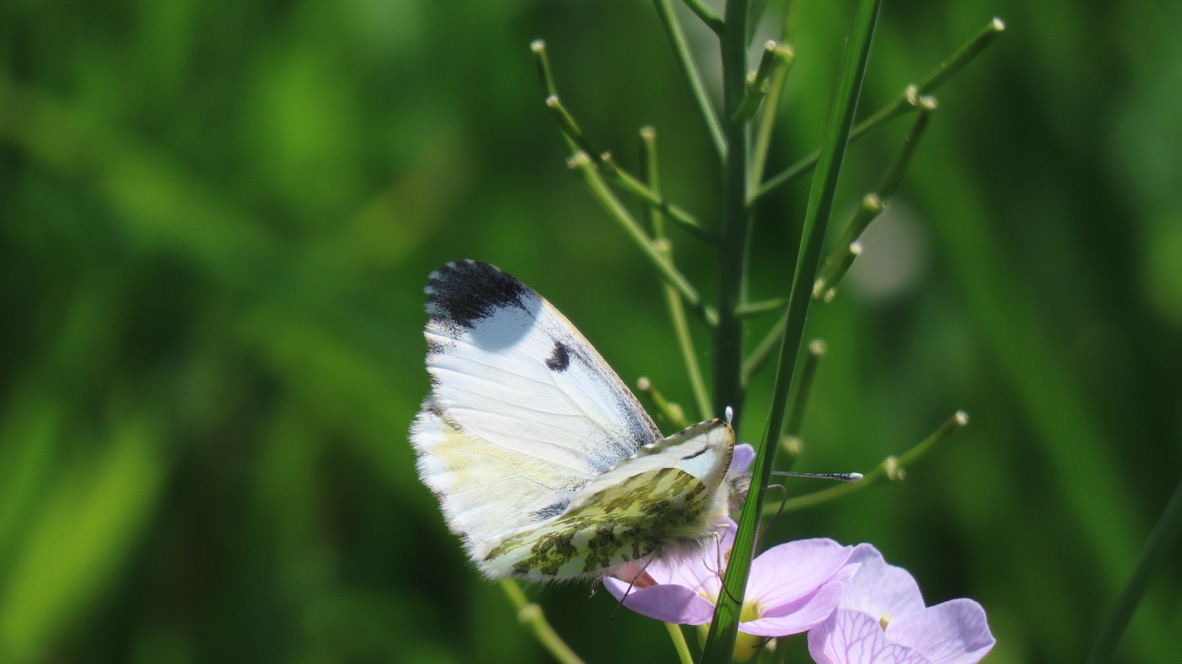
Butterflies are very important indicators of the health of our environment. NádúrNua has recorded 15 butterfly species in its woodlands. In Ireland the the best habitats for butterflies include a variety of semi-natural grasslands, bogs and scrublands as well as areas with diverse flowering plants and shrubs. Several native Irish trees are beneficial for butterflies, providing food and shelter. Blackthorn, hawthorn, willow and oak are particularly valuable. Blackthorn provides early spring nectar and pollen. Hawthorn supports numerous insects, including many butterflies and moths. Willow, especially goat and grey willow, offers early pollen and nectar. Oak provides food for the caterpillars of the Purple Hairstreak butterfly.
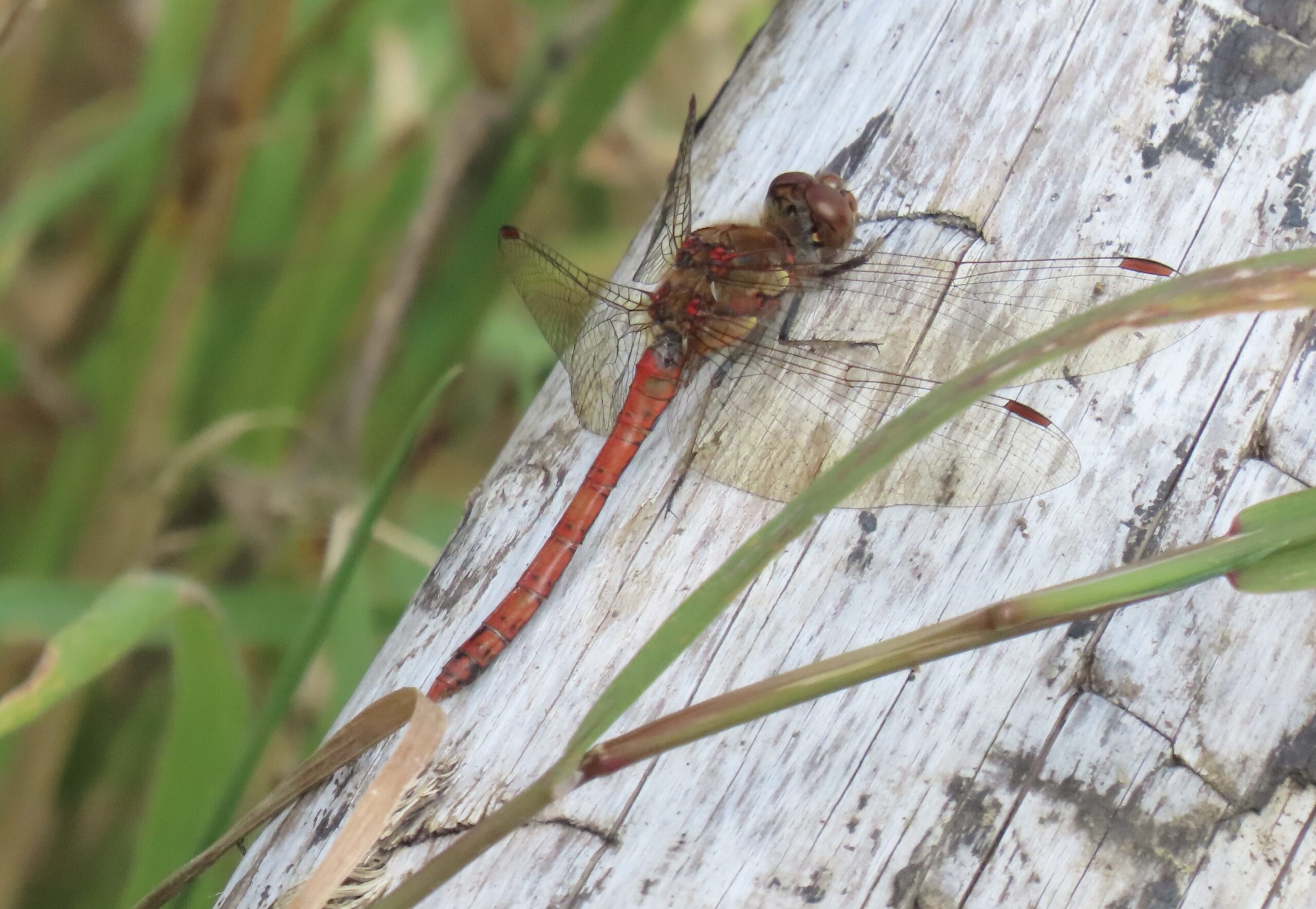
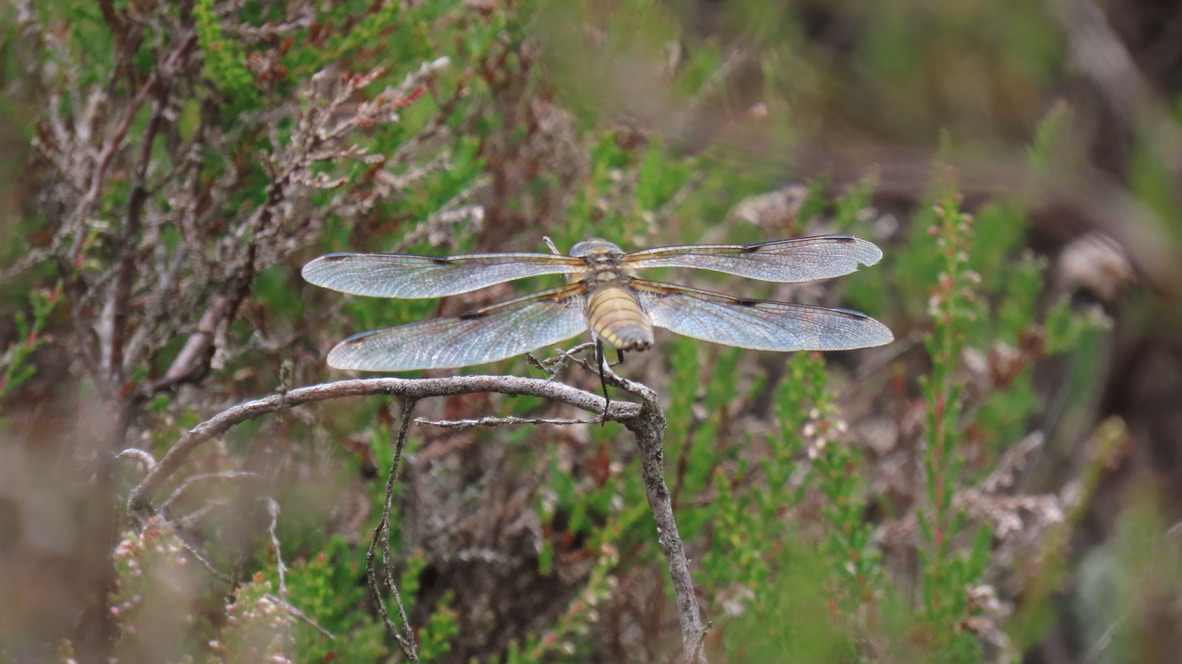
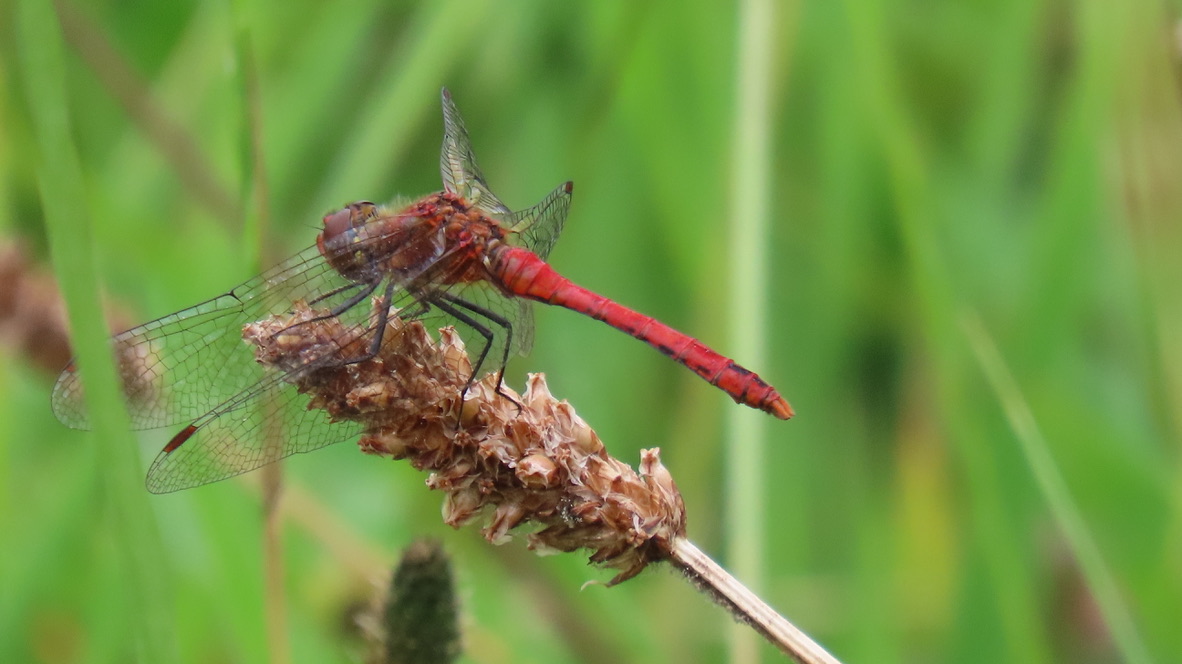
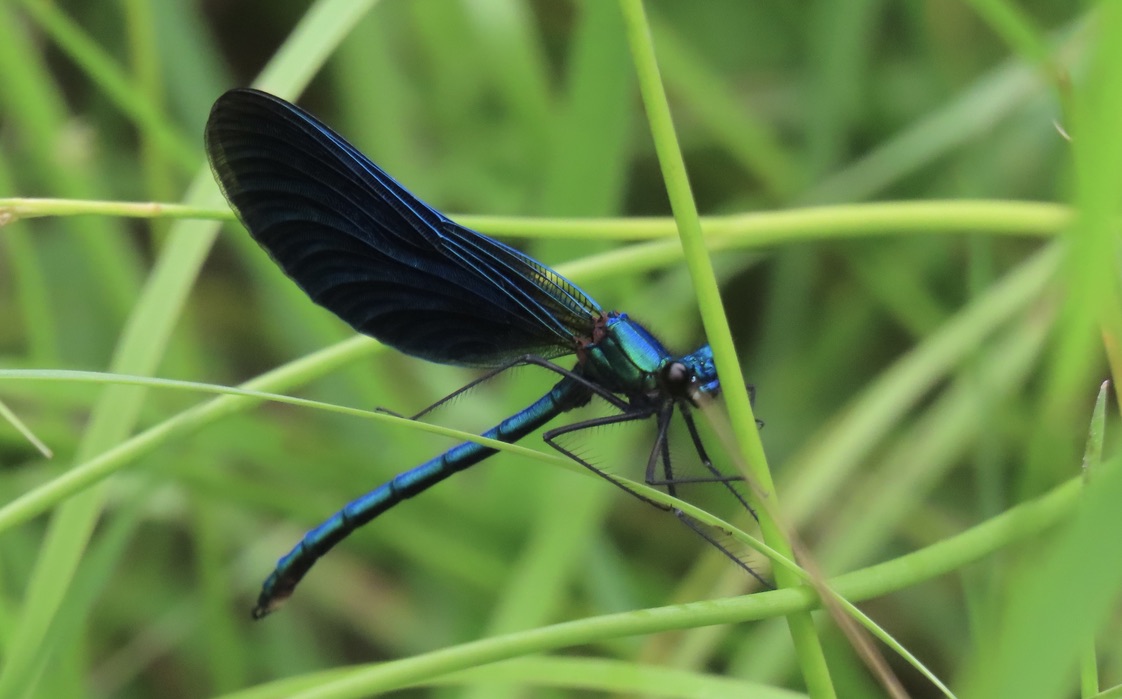
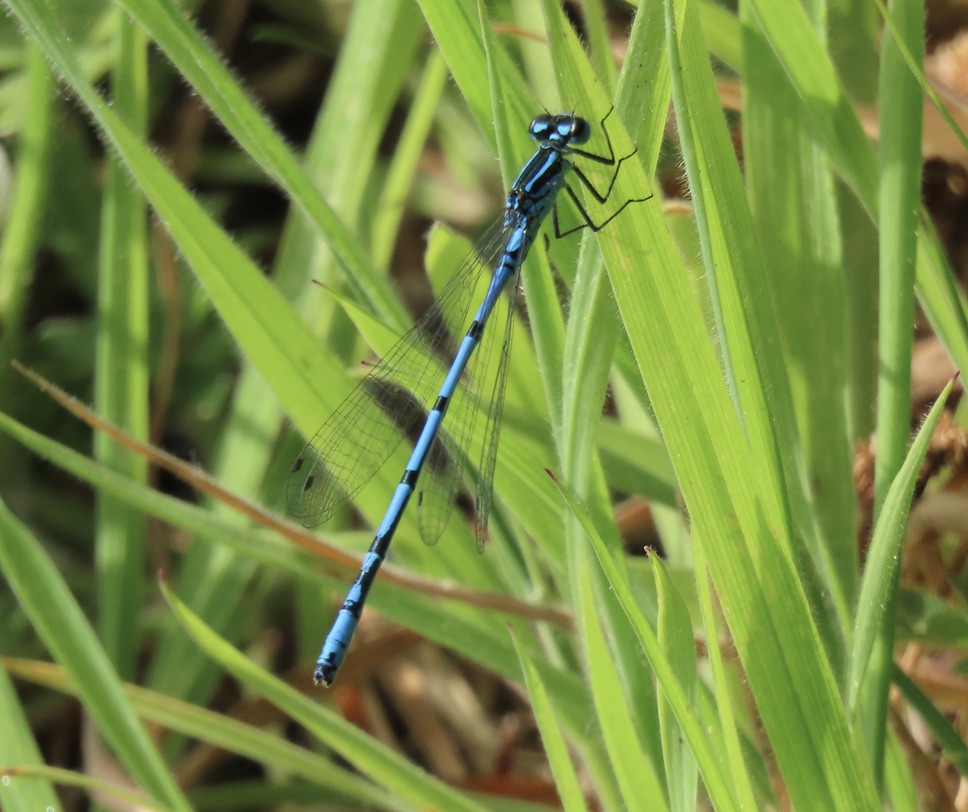
Dragonflies and damselflies are also strong bio indicators on many of NádúrNua’s woodlands. In Aghaweenagh, the rare Irish damselfly, has been identified. Moth trapping will be introduced in 2027 to record nature recovery of moths on all of our woodlands.
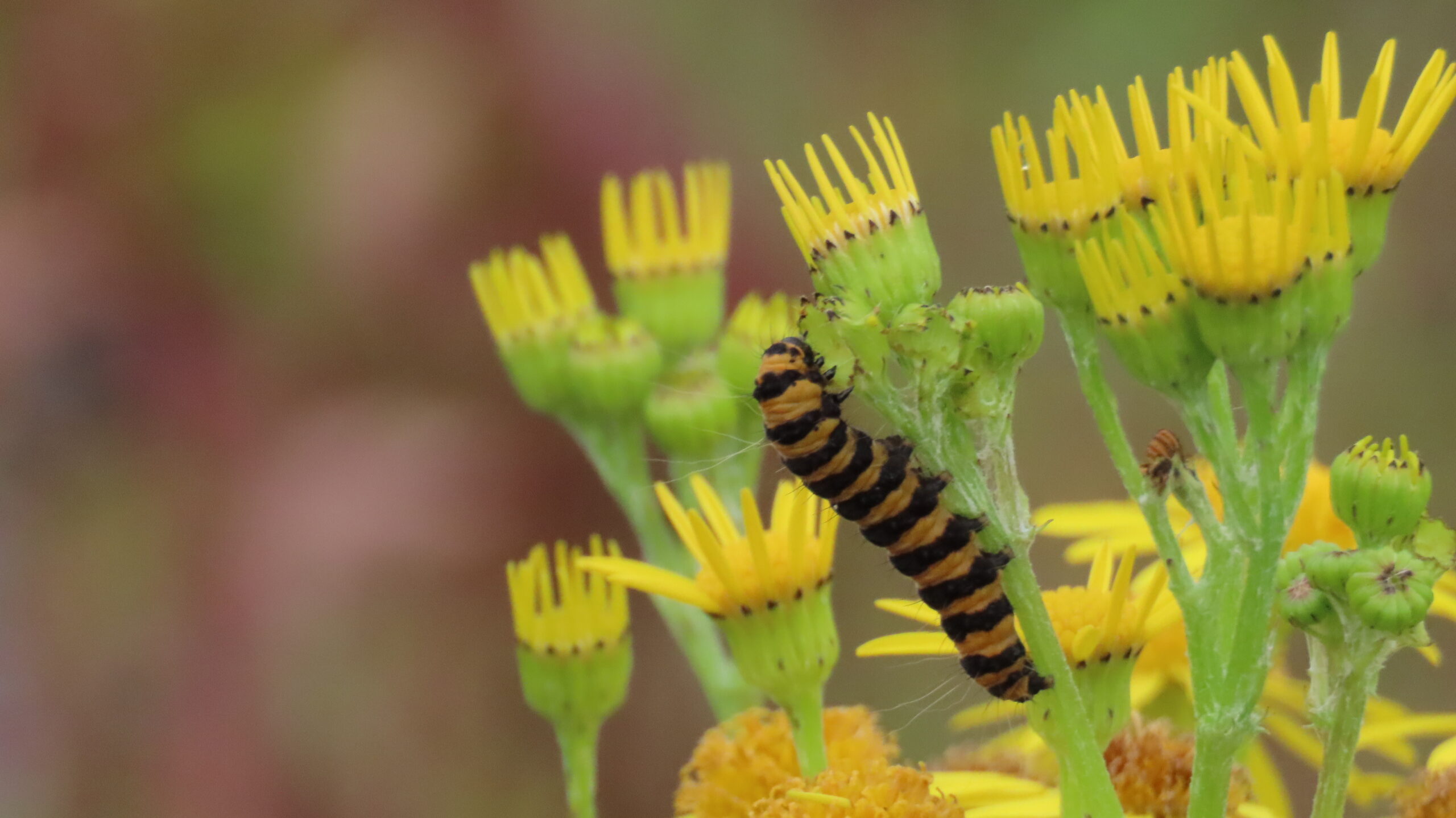
In Greenan, moth trapping was conducted in 2013 before acquisition. The following 16 moth species were recorded: Barred Umber, Broken-barred Carpet, Campion, Clouded Border, Clouded-bordered Brindle, Early Thorn, Lesser Swallow Prominent, May Highflyer, Nut-tree Tussock, Pale Tussock, Pebble Prominent, Peppered Moth, Scalloped Hazel, Scorched Wing, Small Phoenix and Willow Beauty. In addition the day-time Cinnabar Moth has been recently photographed on site.
Bio areas have been retained on NádúrNua’s woodlands not only for butterflies but as nature corridors for other species. The 67 acres of peatlands in Aghaweenagh and Muckanagh as well as the 8 acres of fen in Greenan will be important habitats for butterflies, dragonflies,damselflies and moths.
By using this website, you agree to our use of cookies. We use cookies to provide you with a great experience and to help our website run effectively.