Continuous Cover Forestry (CCF) is a forest management approach that moves away from the traditional “clear-felling” system used in Ireland. Instead of cutting down an entire stand of trees at once and replanting them, CCF maintains a permanent forest canopy.
The purpose is to create a diverse, self-sustaining ecosystem. It relies on a few key principles.
Permanent Forest Cover: The land is never laid bare. This protects the soil from erosion and keeps the local climate stable.
Natural Regeneration: Instead of buying and planting saplings, CCF encourages the forest to replant itself. When an old tree is removed, the sunlight reaching the floor triggers the growth of seeds already in the soil.
Structural Diversity: A CCF forest has trees of all different ages, heights and species living together.
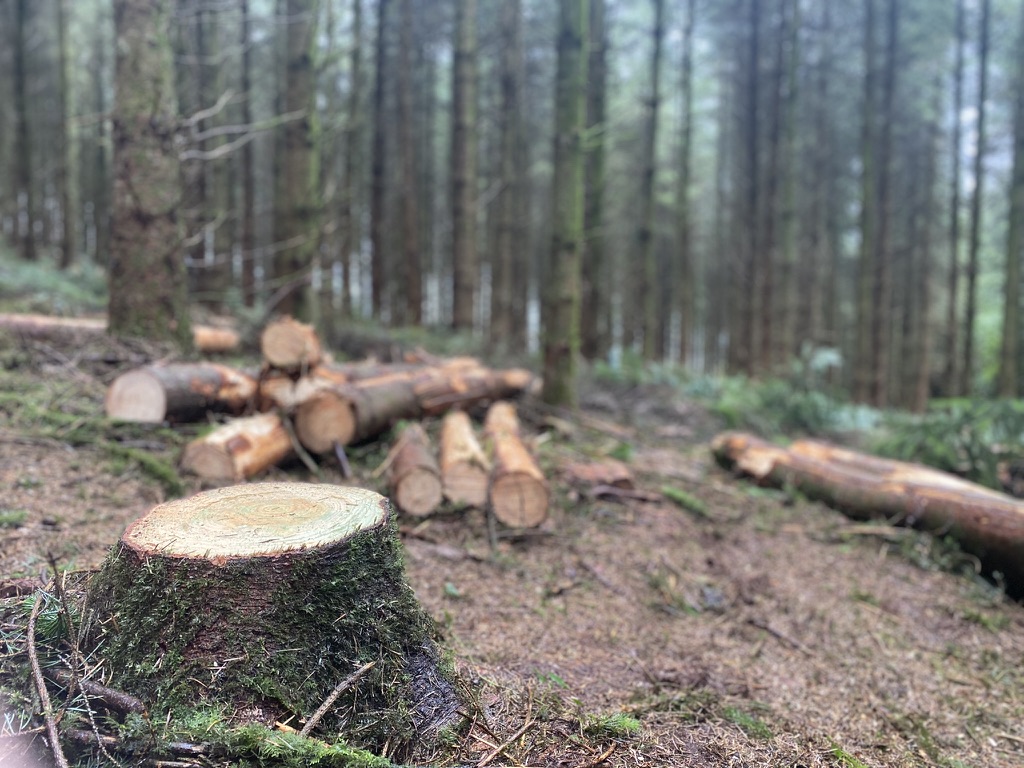
Individual Tree Selection: Foresters harvest specific trees based on their quality or to “thin out” an area rather than clearing a whole block.
There are multiple benefits from CCF, which requires very skilled management. CCF builds woodlands in time that withstand disease, drought and storms by having diverse, uneven-aged trees. Natural regeneration or coppicing, where possible, reduces replanting costs and enhances biodiversity. It also means there is less soil disturbance, allowing better water retention and carbon storage.
NádúrNua is following the principles of CCF on its woodlands. This will allow for natural or assisted regeneration, ultimately leading to a more species- diverse and species-aged woodland. This significantly helps enhance biodiversity and increase carbon sequestration.
In November 2024, our woodland in Knocklead, Co Laois was awarded a CCF grant under the Woodland Improvement Scheme. Tree marking for removal started in April 2025 and harvesting was completed in September 2025. Approval for a CCF grant was awarded in April 2026 for our woodland in Kilnacappagh, County Tipperary. The marking and thinning of the Sitka Spruce and Japanese Larch was undertaken between August and October 2026.
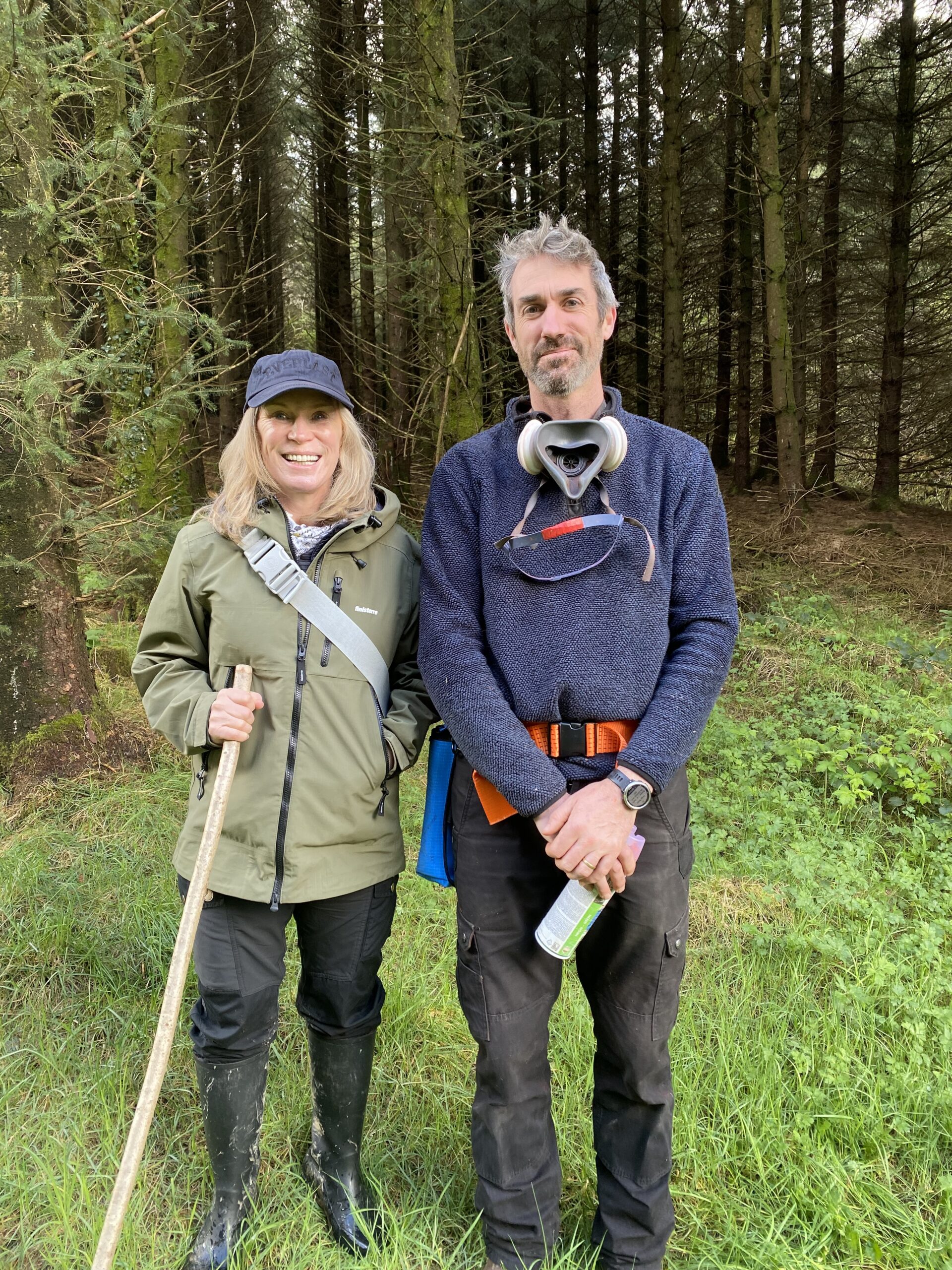
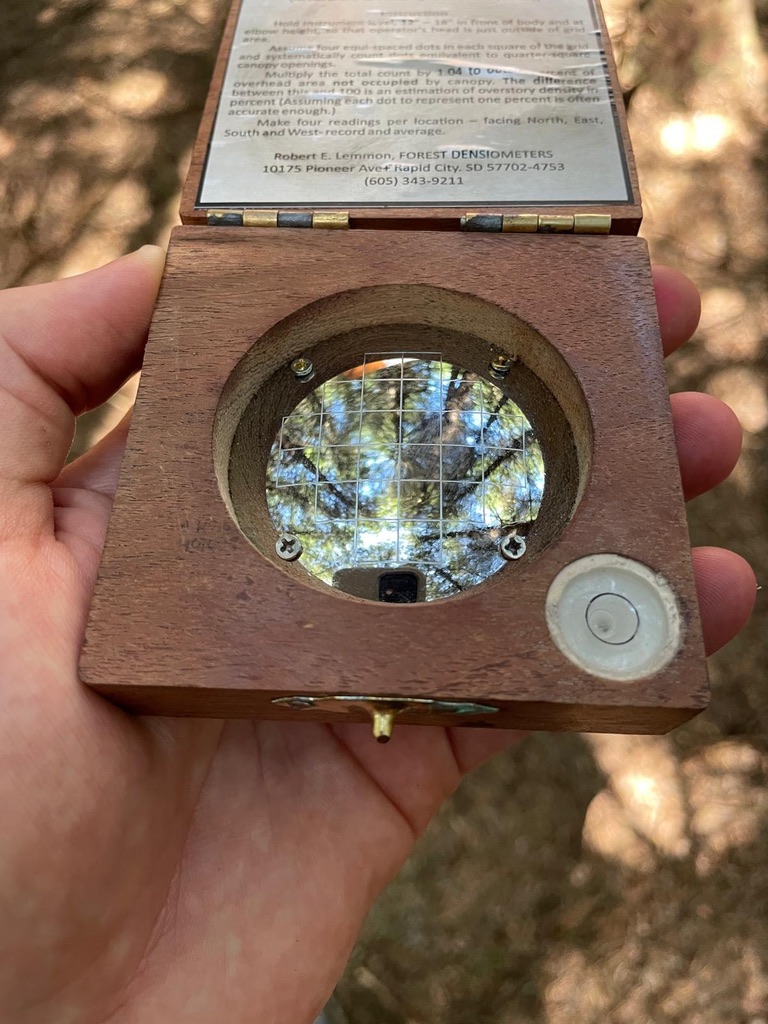
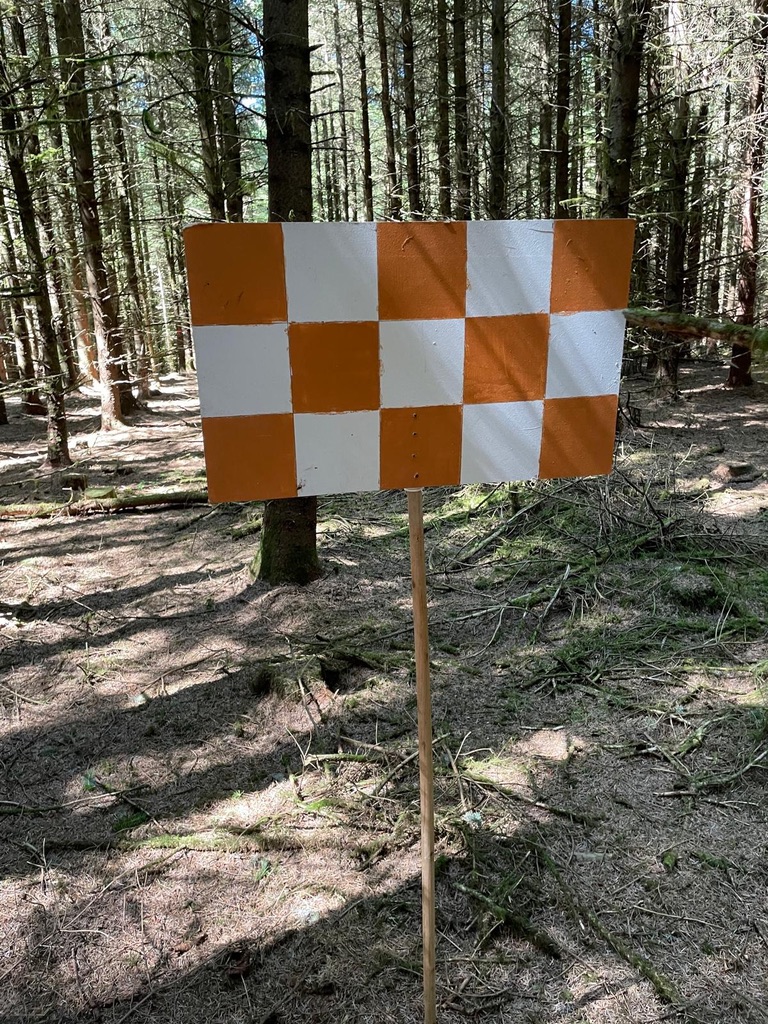
NádúrNua is measuring and monitoring the impact of CCF on biodiversity over time in both Knocklead and Kilnacappagh. A baseline biodiversity audit has already been undertaken in both woodlands utilising a process called IBP. Every five years the same process is repeated. IBP involves measuring the canopy structure, native trees, microhabitats, lying and standing dead wood, canopy openness and shrub cover at pre-determined locations throughout the woodland. Bat and Birdsong monitors are also used to record the variety of bat and bird species on each woodland. It is hoped that over time, there will be measurable progress in biodiversity on these CCF managed forests.
By using this website, you agree to our use of cookies. We use cookies to provide you with a great experience and to help our website run effectively.